Vacation Rental Water FAQs: Answers for OBX Rental Owners and Managers

A family books your Outer Banks rental months in advance. They plan for walks on the beach, afternoons by the pool, and big dinners in the kitchen. Then they arrive, turn on the shower, and smell rotten eggs. That first moment can shape the rest of their stay, and the review that comes after it.
Water quality is part of a clean home. Guests notice it right away: the smell in the shower, rust rings in a white tub, cloudy glasses from the dishwasher, coffee that tastes “off.” They may not know what causes it, but they know it doesn’t feel like the spotless vacation they paid for.
This guide answers the questions we hear most from vacation rental owners and property managers in Corolla, Duck, Southern Shores, Kitty Hawk, Kill Devil Hills, Nags Head, and across Currituck County. Each answer is short and practical, so you can find what you need and move on.
Key takeaways:
- Most rental water complaints come from four issues: sulfur odor, iron staining, hard water scale, and poor-tasting drinking water.
- A free water test is the best first step. It shows exactly what your home needs, so you don’t pay for the wrong system.
- Large OBX rentals often do best with a combination: whole-home filtration or a well system, a water softener, and reverse osmosis at the kitchen sink.
- Busy rentals need more frequent filter changes than typical homes, and out-of-town owners do best with a scheduled local service plan.
Water Quality and Testing
Why does my rental’s water smell like rotten eggs?
A rotten egg smell usually comes from hydrogen sulfide gas, which is common in Outer Banks and Currituck County well water. The odor is often strongest in hot water and in homes that sit empty between stays. A properly sized well water or whole-home system can remove it at the source.
Sometimes the smell comes only from the water heater, where bacteria react with the heater’s anode rod. A water test helps pinpoint which problem you have. Learn more about treating sulfur smell in well water.
What causes orange or brown stains in my rental’s tubs, toilets, and sinks?
Orange and brown stains are caused by iron in your water. Iron leaves rust-colored rings on bathroom fixtures, discolors white towels and linens, and stains driveways, siding, and fences through irrigation. Scrubbing only removes the stain for a short time. Treating the water stops it from coming back.
For rentals, this matters twice. Stains make a clean home look dirty, and stained linens need replacing sooner. See how to stop iron staining for good.
How do I find out what’s in my rental’s water?
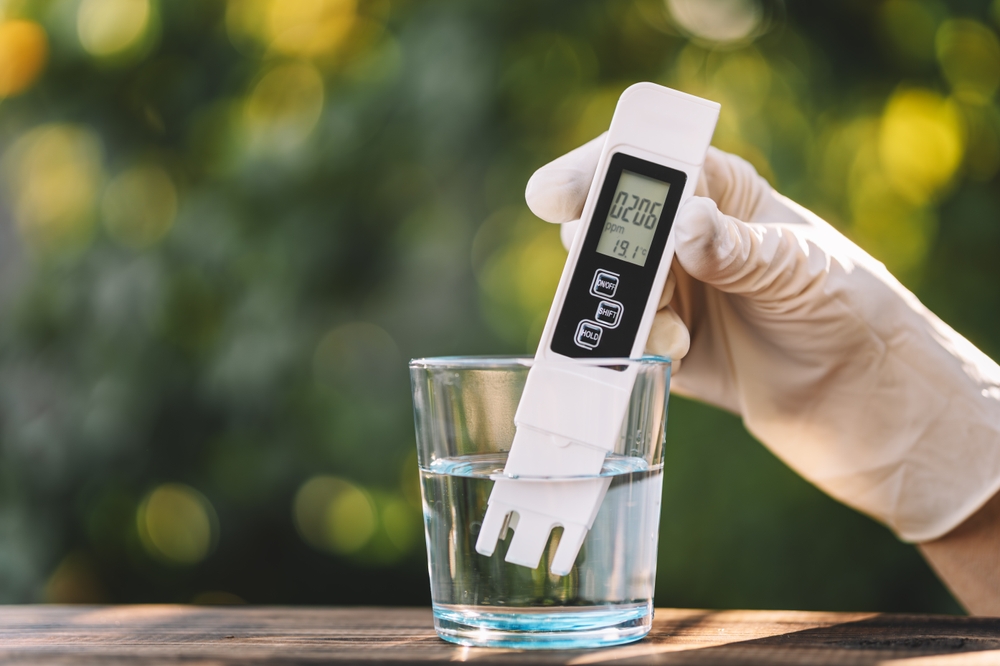
The fastest way is a professional water test. Island Water Treatment offers a free in-home test that checks hardness, iron, sulfur, pH, and total dissolved solids (TDS, a measure of minerals and other substances in the water). We explain the results in plain language and recommend only what your home needs.
Book your free water test before choosing any equipment. It’s the simplest way to avoid buying a system that doesn’t fit your water.
How often should I test the water in my rental home?
Test at least once a year, ideally before your busy season begins. Test sooner if guests report a new smell, taste, or stain, or after any major storm, plumbing work, or well repair.
Homes on private wells benefit most from yearly testing, since well water can change over time. A spring test gives you time to fix problems before the first family arrives.
Should I test my water after a hurricane or flood?
Yes. If floodwater reached your wellhead or your home sat without power for a long stretch, test your water before guests use it. Storm surge and flooding can push contaminants into wells and disrupt treatment equipment.
After any major storm, it’s smart to check your home from the roof to the water supply. Inspect your system for damage, replace filters if they were exposed to floodwater, and schedule a test before reopening the home to guests.
Water Softeners and Filtration
Do I need a water softener for my rental?
You likely need a water softener if your water test shows moderate to high hardness, or if you see white spots on glass showers, scale on faucets, or cloudy dishes. Soft water protects water heaters, dishwashers, and fixtures. It also makes showers feel better and helps glass and chrome look spotless.
In a busy rental, hard water damage adds up quickly. A properly sized water softener cuts down on cleaning time between turnovers and helps appliances last longer.
What water treatment system is best for a large OBX rental home?
The best system depends on your water test, but most large rentals benefit from a combination setup:
- Whole-home filtration or a well water system to remove sulfur, iron, sediment, and off tastes at every tap
- A water softener to prevent scale and spotting
- Reverse osmosis at the kitchen sink for great-tasting drinking water, coffee, and ice
Sizing matters most. A home with eight bathrooms, a pool, a hot tub, and full occupancy every week uses far more water than a typical home. Equipment sized for an average household may fall behind by midweek. A whole-home water filter matched to your peak demand keeps water consistent from check-in to checkout.
What’s the difference between a water softener and a whole-home water filter?
A water softener removes hardness minerals (calcium and magnesium) that cause scale and spotting. A whole-home filter removes things like sediment, chlorine, odors, and some metals that affect smell, taste, and staining.
They solve different problems, which is why many OBX rentals use both. Your water test shows whether you need one, the other, or a combination.
My rental is on county water. Do I still need water treatment?
Often, yes. County water is treated to meet safety standards, but it can still have a chlorine taste or smell, hardness, and minerals that leave spots. Many homes on county water also use a separate irrigation well, which can cause orange staining on driveways, siding, and walkways.
A whole-home filter improves taste and odor at every faucet, and a softener handles hardness. Our county water treatment options are built for these common issues.

Reverse Osmosis and Drinking Water
Is a reverse osmosis system worth it for a vacation rental?
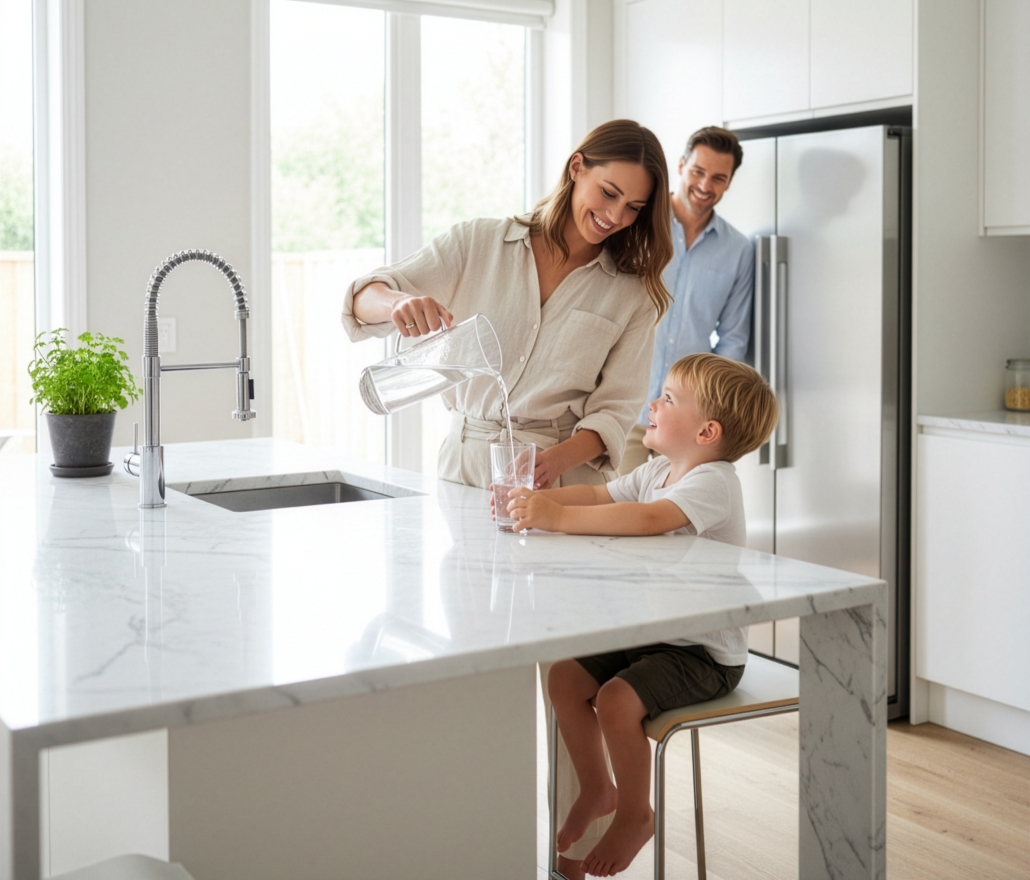
For most rentals, yes. A reverse osmosis (RO) system installed under the kitchen sink delivers crisp, clean-tasting water for drinking, cooking, coffee, and ice. Families can skip hauling cases of bottled water up the stairs on arrival day.
Many guests choose homes with gourmet kitchens because they plan to cook together. Great-tasting water fits right into that experience, and it’s a small comfort guests notice from the first glass.
Can guests drink the tap water in my rental?
Guests are more likely to drink the tap water with confidence when it tastes and smells clean. Even safe water can taste metallic, earthy, or like chlorine, and many guests will reach for bottled water instead.
A water test confirms what’s in your water. An RO system at the kitchen sink adds an extra layer of filtration for drinking water. Consider adding a simple note in your house guide that explains the filtered water tap.
Will an RO system improve the ice and coffee in my rental?
Yes. Ice makers and coffee makers use the same water that comes from your tap, so off tastes show up in both. Connecting your refrigerator’s ice maker to an RO system can give guests clearer ice and better-tasting drinks.
For large homes with more than one coffee maker and constant ice use, this upgrade shows up in everyday moments throughout a family’s stay.
Maintenance and Filters
How often should I change filters in my rental home?
Busy rentals usually need filter changes more often than full-time homes, because they move more water through the system. Typical ranges include:
- Sediment pre-filters: every 3–6 months
- Carbon filters: every 6–12 months
- RO pre-filters: every 6–12 months
- RO membranes: every 2–3 years
Your actual schedule depends on your water quality and occupancy. A home with back-to-back weekly bookings all summer may need changes on the shorter end. Check softener salt levels monthly during peak season.
How do I manage my water system when I’m not local?
The easiest approach is a scheduled service plan with a local water treatment company. A local team can change filters, deliver softener salt, check system settings, and respond quickly if something comes up mid-season.
This works well for out-of-state owners and for property managers handling many homes. You’ll know your system is ready for each new family without having to be there yourself. We can also coordinate access with your property manager or cleaning crew.
What should I do with my water system during the off-season?
Keep your system running on a light maintenance schedule rather than shutting it off completely. Homes that sit empty for weeks can develop stronger sulfur odors and stagnant water in the pipes.
Before the first booking of the season:
- Run every faucet and shower for a few minutes to flush the lines.
- Replace any filters that are due.
- Refill softener salt.
- Check for leaks around equipment and bypass valves.
- Schedule a water test if it’s been more than a year.
Pairing this with your other off-season home checks, like paint touch-ups, deck inspections, and storm prep, keeps the whole property guest-ready.
How long do water treatment systems last?
With regular service, many water softeners and whole-home systems last 10 years or more. RO systems also last for years when filters and membranes are replaced on schedule.
Coastal conditions are tough on equipment. Salt air, humidity, and heavy seasonal use all add wear. Choosing durable, properly installed components and keeping up with maintenance helps protect your investment.
Guest Experience
Will a water filtration system improve my guest reviews?
A water filtration system removes common causes of negative reviews, such as rotten egg odors, stained fixtures, and bad-tasting water. While no single upgrade guarantees five-star ratings, clean, fresh water supports the spotless, comfortable stay guests expect.
Families who enjoy their stay are more likely to leave strong reviews and book again next summer. Water quality is one of the details that helps make that happen.
Can water treatment protect my rental’s fixtures, appliances, and linens?
Yes. Treated water helps prevent:
- Scale buildup inside water heaters, dishwashers, and washing machines
- Rust stains on tubs, toilets, sinks, and white linens
- Spotting and etching on glass showers and chrome fixtures
- Clogged showerheads and faucet aerators
For a rental with heavy turnover, this means fewer replacements, less scrubbing between stays, and a home that looks well cared for year after year.
Should I mention water treatment in my rental listing?
Yes, if it fits your listing style. Simple phrases such as “filtered drinking water throughout” or “reverse osmosis drinking water in the kitchen” tell families the home is thoughtfully maintained. It’s a practical detail that supports clean-home expectations, especially for guests traveling with young children.
What should I do if a guest complains about the water during their stay?
Respond quickly and calmly. Ask what they noticed (smell, color, taste, or low pressure) and whether it affects hot water, cold water, or both. Then contact your water treatment provider right away.
Many mid-stay problems are simple fixes, like a filter that’s overdue, low softener salt, or a bypass valve left in the wrong position. A local service team can often resolve them quickly. Quick action turns a complaint into proof that your home is well managed.
Your Pre-Season Water Checklist
Before families start arriving, run through this quick list:
- Schedule a water test if it’s been over a year
- Replace sediment, carbon, and RO filters that are due
- Refill softener salt and check settings
- Flush all faucets, showers, and outdoor spigots
- Look for stains, scale, or odors in every bathroom
- Confirm your service plan covers peak-season visits
- Add a note about filtered water to your house guide
Start With a Free Water Test
Every great water plan starts with knowing what’s in your water. Whether you manage one oceanfront home in Nags Head or a dozen rentals from Corolla to Kill Devil Hills, a free water test shows exactly which problems to fix and which system fits your home.
Spring bookings fill fast, and the best time to solve water problems is before the first family checks in. Book now so your home is fresh, spotless, and guest-ready for the season ahead.
Book Your Free Water Test or explore our water treatment for vacation rental homes to see how Outer Banks owners protect their properties and their guest experience.